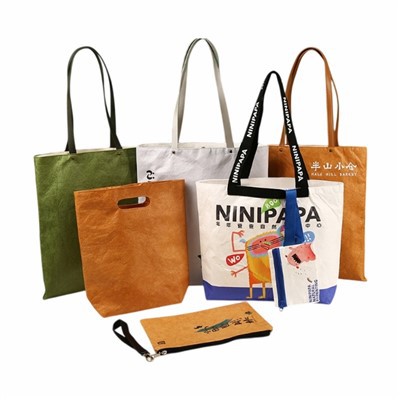
In the world of shopping bags, two prominent materials often come into the spotlight: non woven and woven fabrics. As a supplier of Non Woven Fabric Shopping Bags, I've witnessed firsthand the unique characteristics and differences between these two types of materials. Understanding these distinctions is crucial for businesses and consumers alike, as it can influence purchasing decisions based on factors such as durability, cost, environmental impact, and aesthetic appeal.
Composition and Manufacturing Process
Let's start by delving into the fundamental differences in the composition and manufacturing processes of non woven and woven fabrics.
Woven fabrics are created by interlacing two or more sets of yarns at right angles to each other. This process, known as weaving, can be done using various techniques such as plain weave, twill weave, or satin weave. The result is a fabric with a distinct pattern and structure, where the yarns are firmly held together. Woven fabrics are commonly made from natural fibers like cotton, linen, and silk, as well as synthetic fibers such as polyester and nylon.
On the other hand, non woven fabrics are not created through traditional weaving methods. Instead, they are made by bonding or felting fibers together using heat, chemicals, or mechanical processes. The fibers used in non woven fabrics can be natural, synthetic, or a combination of both. This manufacturing process allows for a wide range of textures and properties to be achieved, depending on the type of fibers and bonding method used.
Durability and Strength
One of the key factors that consumers consider when choosing a shopping bag is its durability and strength. Woven fabrics are generally known for their high strength and durability. The interlaced yarns in woven fabrics provide excellent structural integrity, making them resistant to tearing and stretching. This makes woven shopping bags ideal for carrying heavy items or for repeated use over an extended period.
Non woven fabrics, while not as strong as woven fabrics in terms of tensile strength, still offer a good level of durability. The bonding process used in non woven fabric production ensures that the fibers are held together firmly, providing sufficient strength to carry everyday items. Additionally, advancements in non woven fabric technology have led to the development of stronger and more durable non woven materials, making them a viable option for shopping bags.
Cost and Affordability
Cost is another important consideration for both businesses and consumers when choosing shopping bags. Woven fabrics are typically more expensive to produce than non woven fabrics. The weaving process is labor-intensive and requires specialized equipment, which adds to the production cost. Additionally, the use of natural fibers in woven fabrics can also contribute to their higher price.
Non woven fabrics, on the other hand, are generally more affordable. The manufacturing process for non woven fabrics is less complex and requires less energy and labor compared to weaving. This makes non woven shopping bags a cost-effective option for businesses looking to provide their customers with a practical and affordable shopping solution.
Environmental Impact
In recent years, there has been a growing concern about the environmental impact of single-use plastic bags. As a result, many consumers and businesses are turning to reusable shopping bags made from sustainable materials. Both non woven and woven fabrics have their own environmental benefits.
Woven fabrics made from natural fibers such as cotton and linen are biodegradable and renewable, making them a more environmentally friendly option compared to plastic bags. However, the production of these natural fibers can require significant amounts of water and pesticides, which can have a negative impact on the environment.
Non woven fabrics, particularly those made from recycled materials, also offer environmental benefits. Recycling materials such as plastic bottles and polyester fibers reduces the amount of waste sent to landfills and conserves natural resources. Additionally, non woven shopping bags can be reused multiple times, further reducing their environmental impact.
Aesthetic Appeal and Customization
The aesthetic appeal of a shopping bag can also play a role in the purchasing decision. Woven fabrics offer a wide range of textures, patterns, and colors, making them a popular choice for businesses looking to create a unique and stylish shopping bag. The natural fibers used in woven fabrics also give them a luxurious and high-end look.
Non woven fabrics, while not as visually diverse as woven fabrics, still offer a range of customization options. Non woven shopping bags can be printed with a variety of designs, logos, and colors using techniques such as screen printing and digital printing. This allows businesses to create personalized shopping bags that reflect their brand identity.
Applications and Usage
Both non woven and woven shopping bags have their own applications and usage scenarios. Woven shopping bags are often used in high-end retail stores, luxury brands, and specialty shops. Their durability, strength, and aesthetic appeal make them a suitable choice for carrying expensive or delicate items.


Non woven shopping bags, on the other hand, are more commonly used in supermarkets, grocery stores, and other retail outlets. Their affordability, practicality, and customizable nature make them a popular choice for businesses looking to provide their customers with a convenient and eco-friendly shopping solution.
Why Choose Non Woven Fabric Shopping Bags
As a supplier of Non Woven Fabric Shopping Bags, I believe that non woven shopping bags offer several advantages over woven shopping bags. Here are some reasons why you should consider choosing non woven shopping bags for your business:
- Cost-effective: Non woven shopping bags are more affordable to produce than woven shopping bags, making them a cost-effective option for businesses of all sizes.
- Customizable: Non woven shopping bags can be easily customized with your company logo, design, and message, helping to promote your brand and increase brand awareness.
- Eco-friendly: Non woven shopping bags can be made from recycled materials and are reusable, making them a more environmentally friendly option compared to single-use plastic bags.
- Practical: Non woven shopping bags are lightweight, easy to carry, and have sufficient strength to carry everyday items, making them a practical choice for consumers.
Explore Our Non Woven Shopping Bag Collection
If you're interested in purchasing non woven shopping bags for your business, we offer a wide range of options to choose from. Our collection includes Non-Woven Grocery Tote Bag, Personalised Non Woven Bag with Logo, and Non Woven Reusable Shopping Bag. All of our non woven shopping bags are made from high-quality materials and can be customized to meet your specific requirements.
Contact Us for Procurement and Negotiation
If you're interested in learning more about our non woven shopping bags or would like to discuss your procurement needs, please don't hesitate to contact us. We're here to help you find the perfect shopping bag solution for your business and to provide you with the best possible service and support.
References
- "Textile Science and Engineering: An Introduction" by J. E. Spruiell and R. P. Wool
- "Nonwovens: Materials, Manufacturing, and Applications" by S. R. Anand and S. K. Ghosh
- "The Handbook of Textile Fibre Structure" by R. H. Blackburn