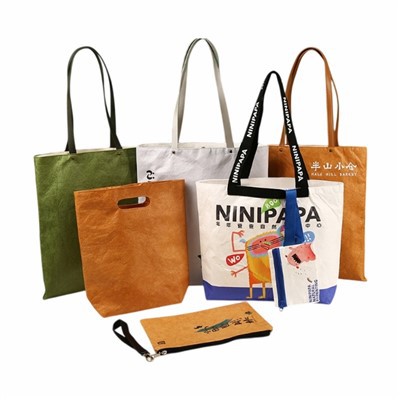
In today's era of environmental protection and sustainable development, non-woven shopping bags, as an environmentally friendly shopping bag, are gradually entering people's lives and have been widely used in many fields.
One of the most notable application areas of non-woven shopping bags is supermarkets and shopping malls. Non-woven shopping bags can be seen everywhere at the cash registers of various supermarkets and the service counters of shopping malls. Compared with traditional plastic bags, non-woven shopping bags are more durable and not easy to break. It can be reused many times, reducing the frequency of shoppers buying shopping bags, saving costs for consumers, reducing the use of disposable plastic bags, and playing a positive role in environmental protection. Moreover, non-woven shopping bags usually have a large capacity and can easily hold a variety of goods, meeting the daily shopping needs of consumers.
In addition to supermarkets and shopping malls, non-woven shopping bags also have important applications in the food industry. In the distribution and packaging of food, non-woven shopping bags can be used as an environmentally friendly alternative. For example, some restaurants or coffee shops use non-woven shopping bags to package food, which can not only ensure the hygiene and safety of food, but also reflect the concept of environmental protection. In addition, non-woven shopping bags also have good air permeability, which can keep fresh some foods that need ventilation, such as cakes and fruits.
In the clothing and daily necessities industries, non-woven shopping bags are also widely used. For the online and offline sales of clothing brands, non-woven shopping bags can not only provide consumers with a convenient shopping package, but also serve as a carrier for brand promotion. Beautifully designed non-woven shopping bags allow consumers to spread brand information during use, which has a good marketing effect. For the sales of daily necessities, non-woven shopping bags are also favored for their environmental protection and durability.
Non-woven shopping bags are also highly customizable. Enterprises can design different patterns, colors and texts according to their needs to make them more in line with their own brand image and publicity needs. For example, some public welfare organizations will customize non-woven shopping bags printed with environmental slogans and logos, which can not only promote environmental protection concepts, but also improve the public's environmental awareness.
From an environmental protection perspective, the reusability and degradability of non-woven shopping bags make them one of the best choices to replace traditional plastic bags. In the context of the increasing global attention to environmental protection, the application prospects of non-woven shopping bags are very broad. I believe that in the future, more fields and industries will choose to use non-woven shopping bags to contribute to environmental protection.